
03/24/2026
How OT Can Support Learning and Development for your child
Occupational Therapy (OT) is a practice that uses everyday activities to promote physical health, , social-emotional well-being, self-regulation and self-advocacy skills. An occupational therapist uses meaningful activities to promote skill acquisition needed to increase independence in daily life tasks.
What is Pediatric OT?
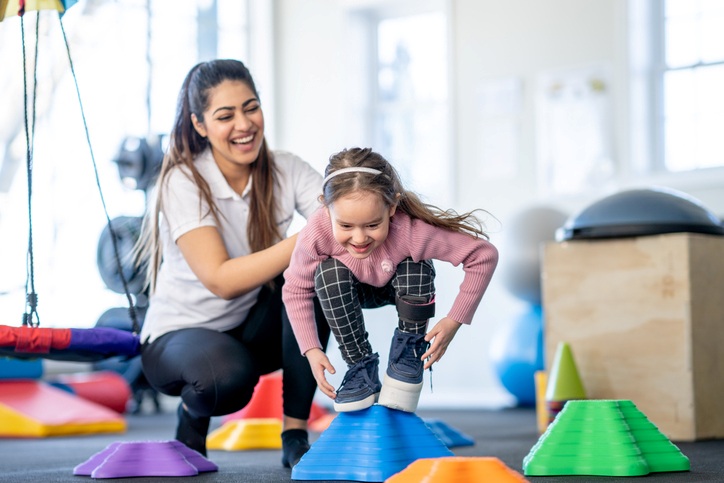
Children have different roles, responsibilities and needs than adults. So, what does a pediatric OT do for children? Pediatric occupational therapy helps children develop the skills they need to function in daily life-through play! A child’s primary occupation is play; this is how they learn and develop many new skills they need for independent participation in daily life activities. Through meaningful, play-based activities, we support a child’s development. Pediatric OT can support many different areas of development, including fine motor, gross motor, sensory processing, and self-regulation skills. Through occupational therapy, we can help children understand their brains and bodies so they can thrive at home, at school, and within the community.
What Are Our Sensory Systems and How Do They Affect Learning?
Pediatric occupational therapy focuses on the sensory foundations that support learning, regulation and participation in everyday activities. Our brains receive information from eight sensory systems that work together to help us understand our bodies and the world around us.
- Tactile
Our sense of touch is called our tactile system. It receives information through the skin and helps us understand things like temperature, pressure, texture, and pain. This system helps children explore and learn about the world by touching, holding, and manipulating objects. - Auditory
The auditory system processes sound through the ears and brain. It allows us to hear voices, music, and environmental sounds. This system plays an important role in communication, language development, and understanding where sounds are coming from in our environment. - Gustatory
The gustatory system is our sense of taste. Taste receptors help us recognize five basic tastes: sweet, salty, bitter, sour, and umami. This system works closely with the olfactory system to influence how foods taste and how we experience eating. - Visual
The visual system allows us to take in information through sight. Beyond simply seeing, this system helps the brain process visual information through skills like visual discrimination, visual memory, figure-ground perception, form constancy, and visual sequencing. These skills support activities such as reading, writing, puzzles, and navigating the environment. - Olfactory
The olfactory system processes smell through the nose. Working closely with the gustatory system, it interprets which smells that are pleasant or unpleasant. Because this system is closely connected to the limbic system, or the area of the brain involved in emotions and memory, certain smells can quickly trigger strong memories or emotional responses. - Vestibular
The vestibular system detects changes in the position of the head, as well as movement and balance. This system is located in the inner ear. The vestibular system also helps to interpret the speed and direction of movement; helping us understand if we are moving fast or slow, spinning, tilting or standing still. This sensory system helps us maintain balance, coordinate movement, and feel secure when navigating our environment. - Proprioceptive
The proprioceptive system gathers information from our muscles and joints in order to understand where our body is in space and how much force we are using when we move. This system supports body awareness, coordination, and activities like climbing, jumping, writing, and playing. - Interoceptive
The interoceptive system is a system that helps us interpret sensations that come from inside the body. This includes sensations such as hunger, thirst, needing the bathroom, a racing heart, or a stomachache. Interoception also plays an important role in helping children recognize and respond to internal body cues connected to emotions and regulation.
Why is It Important to Identify Sensory Information and Process it Correctly?
Sensory integration is an ongoing, fluid process within the nervous system of taking in and responding to sensory events. Adequate sensory processing is necessary to provide a foundation for the development of regulatory cycles and functional arousal states, as well as refined gross and fine motor development, motor planning, and the ability to move safely and efficiently through space. If we are not interpreting the sensory information correctly, our response can be “maladaptive.” This can come out as behaviors, meltdowns, etc. Occupational therapists can help children process information from their bodies and environment, process it, and produce a response that is appropriate for the situation or environment-leading to safe and successful participation.
Sensory integration is the brain’s ongoing process of taking in information from the body and environment, organizing it, and responding in a meaningful way. Our nervous system is constantly receiving sensory input, such as movement, touch, sound, and body position, and using that information to guide how we move, learn, and interact with the world.
When the brain is able to organize this information effectively, it supports important skills like regulation, attention, coordination, and motor planning. These foundations help children participate in everyday activities such as playing, learning, communicating, and moving safely through their environment. Sometimes, the brain may interpret sensory information differently or need additional support to organize it. When this happens, children might show their experience through behaviors such as becoming overwhelmed, avoiding certain activities, seeking more movement or input, or having difficulty staying engaged.
Occupational therapists help children better understand and process sensory information from their bodies and surroundings. Through play-based and individualized activities, therapists support children in developing strategies that help them feel more regulated, confident, and able to participate in the activities that matter to them.
How OT Can Support Social-Emotional Development
Occupational therapists can also help children understand and regulate their emotions, increase confidence and self-efficacy, and support improved social interactions among peers. Occupational therapy can help children understand how to process and regulate their emotions and participate more effectively. Occupational therapists can also help children have positive social interactions with others and become more successful at navigating social situations. Some other skills an occupational therapist might encourage are:
- Self-Awareness
- Self-Expression
- Conflict Resolution
- Problem Solving
- Dealing with Anxiety
- Stress Coping Mechanisms
- Group Participation and Teamwork
Conclusion
Occupational therapists help children build the skills and strategies they need to participate, explore, and thrive in daily life. They support children in developing confidence, self-regulation, and independence, while also fostering meaningful connections with family, friends, and their communities. By focusing on each child’s unique strengths and needs, occupational therapy helps children grow into their fullest potential.
South Shore Therapies
As the premier therapy practice in Massachusetts, the therapists at South Shore Therapies are the leaders in pediatric occupational therapy, speech therapy, and feeding therapy. We foster healthy relationships with our patients and create a safe and nurturing environment designed to motivate patients and their families. For more information, visit our website, sign up for intake, or inquire about our in-home/community services today.