
03/24/2026
Strategies to Support Restful Sleep for Your Child
It’s so important for our children to get enough sleep. Between school demands, extracurricular activities, and all the sensory experiences throughout the day, our kids have so much to navigate each day. It’s so important for them to get adequate restful sleep so they can wake up rejuvenated, ready to play, learn and thrive. However, with such busy schedules and demanding days, it can be a challenge to make sure they’re getting the sleep their brain and body needs. This blog will discuss some tools, strategies, and suggestions to support restful sleep for your children.
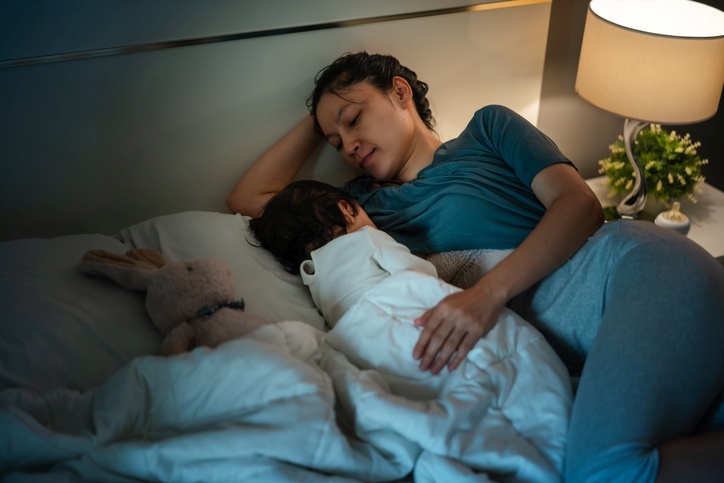
Benefits of Restful Sleep for Learning and Development
As adults, we know that when we don’t get enough sleep, we don’t function as well the next day. If we continue to miss sleep, we will continue to have issues with focus, attention span, and mood. But how does sleep affect children? Here are some benefits of a good night’s sleep for children.
- Sleep SupportsGrowth
While children sleep, their bodies release important hormones (HGH) that support growth and physical development. Consistent, restorative sleep helps the body do the behind-the-scenes work of growing, repairing, and building strength. - Sleep SupportsAttention Span
When kids are well-rested, their brains have more energy for focusing, exploring, and participating in the activities they enjoy. Sleep helps the brain stay regulated and ready to engage with the world. - Sleep Helps Children LearnSleep is when the brain organizes and stores all the new experiences and information from the day. After a good night’s sleep, children are often better able to remember what they learned, build new skills, and make connections..
- Sleep Supports Emotional Regulation
When a child is well-rested, they are able to more effectively take in and process information from their environment and respond in an adaptive way. They will have more access to higher level cognitive skills that will help them cope, regulate, and advocate for their needs.
Consider the Environment
A restful environment can support more consistent and restful sleep for our children. Here are some ways create an ideal sleep environment for your child.
- Dimming Lights/Using Curtains for Darkness
Our bodies naturally respond to a setting sun. Replicating that in your home will help a child’s body and mind to wind down naturally. When a child is in a bright environment, their brains slow the production of melatonin, an important sleep hormone. As the lights dim, melatonin production will increase, helping to ease a child into a natural sleep. - Decreased Clutter in the Room
When a room is cluttered, there are many distractions for a child. When children see their toys and games scattered about, their thoughts may turn to the desire to play rather than rest. Providing them with a decluttered environment and an area designated for sleep (not play) will help a child settle into sleep more effectively.
Consistent Nighttime Routine
- Stay On Schedule
Consider creating a consistent routine that remains the same each evening regardless of what happened during the day. This allows for predictability and consistency, which supports a child’s ability to self-regulate and prepare for restful sleep. - Incorporate Time to Wind Down
Take time to incorporate bedtime rituals. Let your child wind down at the end of a long day. Remember, this may look different for each child. Some children may need movement and heavy work incorporated into their routine to allow their nervous system to calm before bed, where other children might do well with quiet books and soothing music. It is important to learn about your child’s sensory needs and create a routine that works for them. - Make Late-Night Fun an Occasional Choice
Prioritize your child’s schedule over other nighttime events or activities. An evening dinner or movie may be fun once in a while, but your child’s sleep schedule should take precedence over this type of event.
Incorporate Sensory Strategies and Activities
- Heavy Work Activities Prior to Bedtime
Activities that provide proprioceptive input to the body will help a child fall asleep more quickly. Our proprioceptive system is the information we receive from our muscles and joints that helps us understand where our body is in space. Activities that provide increased proprioceptive input can calm the nervous system and support regulation and organization. Some examples ofsuch activities include carrying a weighted object, doing animal walks, engaging in pushing-pulling activities, or engaging in different oral motor activities. Providing firm but gentle hugs, joint compressions, or “blanket squishes” are other ways to provide deep pressure touch inputs for your child. - Warm Bath
If bath time is something your child is motivated by, incorporating warm water and aroma therapy can be a great way to settle the child’s nervous system before bed. Consider calming smells like lavender and chamomile to ease a child more gently into a sleepy state. - Comfortable Pajamas
Feeling cozy and comfortable can make it easier for children to settle into sleep. Soft, breathable pajamas that feel good on the body can help support relaxation at bedtime. Since every child experiences comfort differently, it may take some experimenting to find fabrics, fits, or styles that feel just right for them. Letting children have a say in what they wear to bed can also help them feel more comfortable and confident as they wind down for sleep. - Rhythmical Music or Songs
Our bodies and brains naturally respond to rhythm. Steady, predictable sounds can feel organizing and calming for many children. Playing soft music with a slow, steady beat or singing familiar lullabies can help signal to the body that it’s time to slow down and prepare for sleep. Over time, these rhythms can become part of a comforting bedtime routine that helps children transition toward rest. - Use a Lycra Sheet for Extra Input
A Lycra sheet is a stretchy sheet gently wraps around the body and can create a ‘hug like’ ug sensation. For some children, this gentle pressure provides deep touch input that helps their bodies feel more settled and supported during sleep. - Sound Machine for Sleep
Blocking out noises from around the house or from outside can help a child drift into a peaceful sleep. A sound machine, white noise, or even a fan can create steady, consistent sound that helps mask sudden noises and makes the sleep environment feel more predictable. Many children find this type of gentle background sound calming and supportive for falling and staying asleep.
South Shore Therapies
As the premier therapy practice in Massachusetts, our skilled therapists at South Shore Therapies are here to help. We cultivate a nurturing relationship with our clients and their families to support growth and development for all ages. If you have more concerns about your child’s sleep patterns, sensory systems, or other developmental areas, please visit our website, sign up for an intake, or inquire about our in-home/community services today.